
- Home
- SEODiscover the latest updates from across the United States, including politics, culture, economy, and trending stories. Stay informed on the key events shaping the nation and the topics everyone’s talking about.
- Technical SEOLearn technical SEO concepts including crawling, indexing, XML sitemaps, robots.txt, canonical tags, site architecture, and website performance.
- Local SEOOptimize your business for local seo with Google Business Profile, local citations, reviews, maps, and location-based SEO.
- Mobile SEOImprove your website’s mobile seo performance with responsive design, mobile-first indexing, usability, and page speed optimization.
- On-Page SEOExplore on-page seo optimization techniques such as title tags, meta descriptions, headings, URLs, internal linking, and content optimization.
- Off-Page SEODiscover off-page SEO strategies such as backlinks, digital PR, brand mentions, outreach, and authority building.
- SEO ToolsExplore the best SEO tools for keyword research, technical audits, backlink analysis, rank tracking, and website optimization.
- Core Web VitalsLearn how to improve Core Web Vitals including LCP, INP, CLS, page speed, and overall user experience for better rankings.
- Keyword ResearchLearn how to find profitable keywords, analyze search intent, evaluate competition, and build effective keyword strategies.
- Link BuildingMaster ethical link building techniques, backlink analysis, outreach methods, guest posting, and authority growth strategies.
- Google Search ConsoleLearn how to use Google Search Console to monitor indexing, fix errors, analyze search performance, and improve SEO.
- SEO BasicsLearn the fundamentals of search engine optimization (SEO Basics), including how search engines work, SEO terminology, and beginner-friendly best practices.
- Paid Media
- Display AdvertisingLearn display advertising strategies, banner ads, audience targeting, remarketing, Google Display campaigns, and optimization techniques.
- Google AdsLearn Google Ads strategies, campaign setup, bidding, keywords, Performance Max, Search Ads, and optimization techniques.
- LinkedIn AdsLearn LinkedIn Ads strategies for B2B marketing, lead generation, audience targeting, campaign optimization, and paid social advertising.
- Meta AdsLearn Meta Ads strategies for Facebook and Instagram, including campaign setup, targeting, retargeting, and performance optimization.
- Paid Media AnalyticsLearn paid media analytics, including CPC, CTR, CPA, ROAS, conversion tracking, attribution, reporting, and campaign performance analysis.
- PPC StrategyLearn effective PPC strategies, campaign planning, bidding, keyword targeting, landing pages, conversion optimization, and more.
- ContentTransform your living spaces with inspiration, tips, and trends in interior design. From minimalist decor to bold statements, find ideas for every style and budget.
- Social
- Digital MarketingExplore stories and advice on living your best life. From personal growth to entertainment, dive into the latest in lifestyle trends and inspiration.
- Artificial IntelligenceStay informed about health and wellness with expert advice, fitness tips, and the latest medical breakthroughs. Your guide to a healthier and happier life.
- DevelopmentYou will find development related educational articles
- GTMLearn Google Tag Manager (GTM) with practical guides for tags, triggers, variables, tracking, conversions, and website analytics implementation.
- HTMLLearn HTML with simple tutorials, examples, tags, elements, attributes, and best practices for building modern web pages.
- HTML CSSLearn HTML CSS together with practical tutorials, examples, layouts, styling techniques, responsive design, and modern web development practices.
- HTML JSLearn HTML JS – JavaScript with practical tutorials and examples for adding interactivity, dynamic content, events, and functionality to web pages.
- JavaScriptExplore JavaScript tutorials, examples, concepts, and practical techniques for creating interactive and dynamic websites and web applications.
- PHPLearn PHP programming with practical tutorials, examples, functions, syntax, and web development techniques for beginners and developers.
- PythonLearn Python programming with practical tutorials, examples, syntax, functions, automation techniques, and useful programming concepts.
- Home
- SEODiscover the latest updates from across the United States, including politics, culture, economy, and trending stories. Stay informed on the key events shaping the nation and the topics everyone’s talking about.
- Technical SEOLearn technical SEO concepts including crawling, indexing, XML sitemaps, robots.txt, canonical tags, site architecture, and website performance.
- Local SEOOptimize your business for local seo with Google Business Profile, local citations, reviews, maps, and location-based SEO.
- Mobile SEOImprove your website’s mobile seo performance with responsive design, mobile-first indexing, usability, and page speed optimization.
- On-Page SEOExplore on-page seo optimization techniques such as title tags, meta descriptions, headings, URLs, internal linking, and content optimization.
- Off-Page SEODiscover off-page SEO strategies such as backlinks, digital PR, brand mentions, outreach, and authority building.
- SEO ToolsExplore the best SEO tools for keyword research, technical audits, backlink analysis, rank tracking, and website optimization.
- Core Web VitalsLearn how to improve Core Web Vitals including LCP, INP, CLS, page speed, and overall user experience for better rankings.
- Keyword ResearchLearn how to find profitable keywords, analyze search intent, evaluate competition, and build effective keyword strategies.
- Link BuildingMaster ethical link building techniques, backlink analysis, outreach methods, guest posting, and authority growth strategies.
- Google Search ConsoleLearn how to use Google Search Console to monitor indexing, fix errors, analyze search performance, and improve SEO.
- SEO BasicsLearn the fundamentals of search engine optimization (SEO Basics), including how search engines work, SEO terminology, and beginner-friendly best practices.
- Paid Media
- Display AdvertisingLearn display advertising strategies, banner ads, audience targeting, remarketing, Google Display campaigns, and optimization techniques.
- Google AdsLearn Google Ads strategies, campaign setup, bidding, keywords, Performance Max, Search Ads, and optimization techniques.
- LinkedIn AdsLearn LinkedIn Ads strategies for B2B marketing, lead generation, audience targeting, campaign optimization, and paid social advertising.
- Meta AdsLearn Meta Ads strategies for Facebook and Instagram, including campaign setup, targeting, retargeting, and performance optimization.
- Paid Media AnalyticsLearn paid media analytics, including CPC, CTR, CPA, ROAS, conversion tracking, attribution, reporting, and campaign performance analysis.
- PPC StrategyLearn effective PPC strategies, campaign planning, bidding, keyword targeting, landing pages, conversion optimization, and more.
- ContentTransform your living spaces with inspiration, tips, and trends in interior design. From minimalist decor to bold statements, find ideas for every style and budget.
- Social
- Digital MarketingExplore stories and advice on living your best life. From personal growth to entertainment, dive into the latest in lifestyle trends and inspiration.
- Artificial IntelligenceStay informed about health and wellness with expert advice, fitness tips, and the latest medical breakthroughs. Your guide to a healthier and happier life.
- DevelopmentYou will find development related educational articles
- GTMLearn Google Tag Manager (GTM) with practical guides for tags, triggers, variables, tracking, conversions, and website analytics implementation.
- HTMLLearn HTML with simple tutorials, examples, tags, elements, attributes, and best practices for building modern web pages.
- HTML CSSLearn HTML CSS together with practical tutorials, examples, layouts, styling techniques, responsive design, and modern web development practices.
- HTML JSLearn HTML JS – JavaScript with practical tutorials and examples for adding interactivity, dynamic content, events, and functionality to web pages.
- JavaScriptExplore JavaScript tutorials, examples, concepts, and practical techniques for creating interactive and dynamic websites and web applications.
- PHPLearn PHP programming with practical tutorials, examples, functions, syntax, and web development techniques for beginners and developers.
- PythonLearn Python programming with practical tutorials, examples, syntax, functions, automation techniques, and useful programming concepts.
Now Reading: LinkedIn Marketing Strategy for B2B Companies 2026
-
01
LinkedIn Marketing Strategy for B2B Companies 2026
- Home//
- SEO//Discover the latest updates from across the United States, including politics, culture, economy, and trending stories. Stay informed on the key events shaping the nation and the topics everyone’s talking about.
- Technical SEO//Learn technical SEO concepts including crawling, indexing, XML sitemaps, robots.txt, canonical tags, site architecture, and website performance.
- Local SEO//Optimize your business for local seo with Google Business Profile, local citations, reviews, maps, and location-based SEO.
- Mobile SEO//Improve your website’s mobile seo performance with responsive design, mobile-first indexing, usability, and page speed optimization.
- On-Page SEO//Explore on-page seo optimization techniques such as title tags, meta descriptions, headings, URLs, internal linking, and content optimization.
- Off-Page SEO//Discover off-page SEO strategies such as backlinks, digital PR, brand mentions, outreach, and authority building.
- SEO Tools//Explore the best SEO tools for keyword research, technical audits, backlink analysis, rank tracking, and website optimization.
- Core Web Vitals//Learn how to improve Core Web Vitals including LCP, INP, CLS, page speed, and overall user experience for better rankings.
- Keyword Research//Learn how to find profitable keywords, analyze search intent, evaluate competition, and build effective keyword strategies.
- Link Building//Master ethical link building techniques, backlink analysis, outreach methods, guest posting, and authority growth strategies.
- Google Search Console//Learn how to use Google Search Console to monitor indexing, fix errors, analyze search performance, and improve SEO.
- SEO Basics//Learn the fundamentals of search engine optimization (SEO Basics), including how search engines work, SEO terminology, and beginner-friendly best practices.
- Paid Media//
- Display Advertising//Learn display advertising strategies, banner ads, audience targeting, remarketing, Google Display campaigns, and optimization techniques.
- Google Ads//Learn Google Ads strategies, campaign setup, bidding, keywords, Performance Max, Search Ads, and optimization techniques.
- LinkedIn Ads//Learn LinkedIn Ads strategies for B2B marketing, lead generation, audience targeting, campaign optimization, and paid social advertising.
- Meta Ads//Learn Meta Ads strategies for Facebook and Instagram, including campaign setup, targeting, retargeting, and performance optimization.
- Paid Media Analytics//Learn paid media analytics, including CPC, CTR, CPA, ROAS, conversion tracking, attribution, reporting, and campaign performance analysis.
- PPC Strategy//Learn effective PPC strategies, campaign planning, bidding, keyword targeting, landing pages, conversion optimization, and more.
- Content//Transform your living spaces with inspiration, tips, and trends in interior design. From minimalist decor to bold statements, find ideas for every style and budget.
- Social//
- Digital Marketing//Explore stories and advice on living your best life. From personal growth to entertainment, dive into the latest in lifestyle trends and inspiration.
- Artificial Intelligence//Stay informed about health and wellness with expert advice, fitness tips, and the latest medical breakthroughs. Your guide to a healthier and happier life.
- Development//You will find development related educational articles
- GTM//Learn Google Tag Manager (GTM) with practical guides for tags, triggers, variables, tracking, conversions, and website analytics implementation.
- HTML//Learn HTML with simple tutorials, examples, tags, elements, attributes, and best practices for building modern web pages.
- HTML CSS//Learn HTML CSS together with practical tutorials, examples, layouts, styling techniques, responsive design, and modern web development practices.
- HTML JS//Learn HTML JS – JavaScript with practical tutorials and examples for adding interactivity, dynamic content, events, and functionality to web pages.
- JavaScript//Explore JavaScript tutorials, examples, concepts, and practical techniques for creating interactive and dynamic websites and web applications.
- PHP//Learn PHP programming with practical tutorials, examples, functions, syntax, and web development techniques for beginners and developers.
- Python//Learn Python programming with practical tutorials, examples, syntax, functions, automation techniques, and useful programming concepts.
- Home
- Digital Marketing
- LinkedIn Marketing Strategy for B2B Companies 2026
LinkedIn Marketing Strategy for B2B Companies 2026

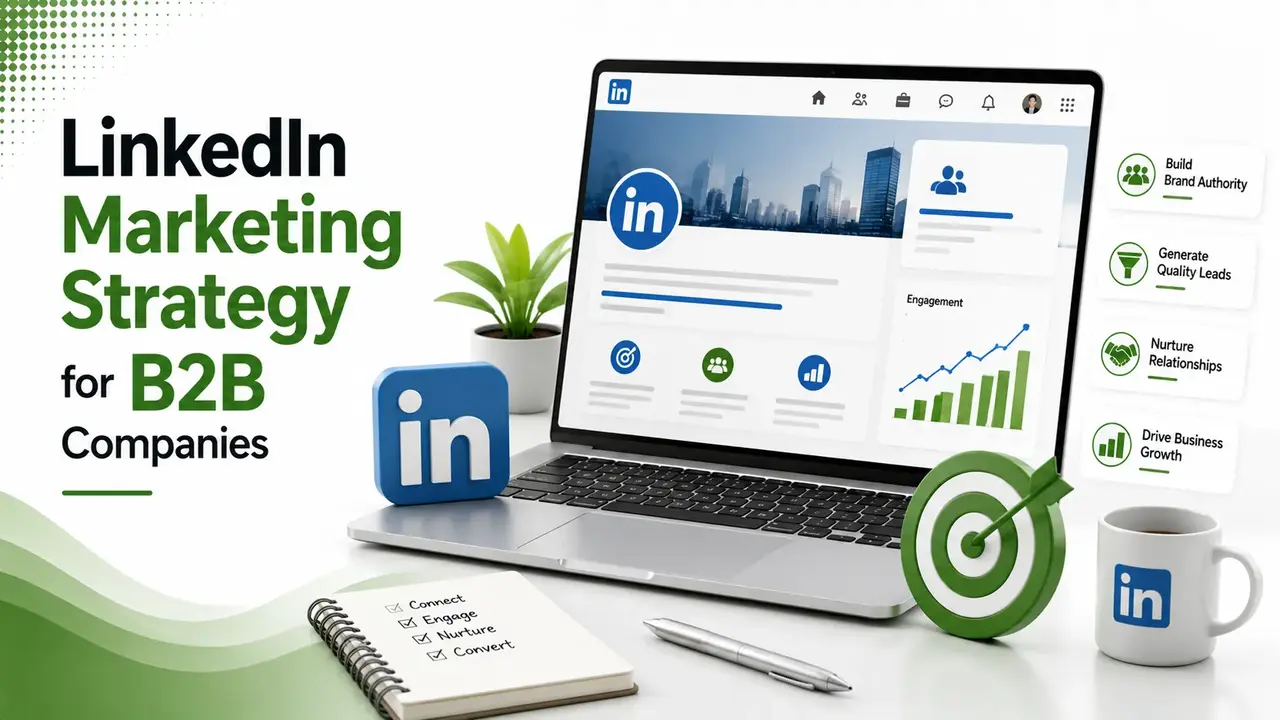
Most B2B LinkedIn strategies fail within three months because brands treat it like a broadcast channel. Here's the shift that actually works: personal profiles, structured employee advocacy, a sustainable posting rhythm, and measuring pipeline instead of likes.
Table of Contents
ToggleLinkedIn generates roughly 80% of all B2B leads that come from social media, yet most company LinkedIn strategies quietly fail within three months. The reason is almost always the same: brands post like it's a broadcast channel, when the platform now rewards something closer to a trust network built around real people.
A LinkedIn marketing strategy for B2B companies in 2026 has to balance two things that used to live in separate departments: a company page built for credibility, and personal profiles built for reach. Neither one works especially well alone anymore.
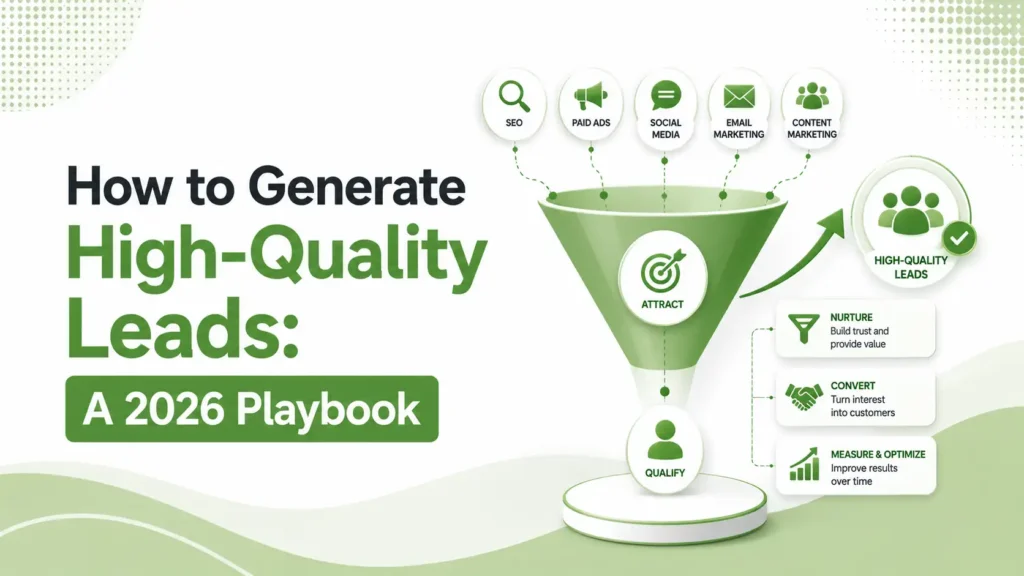
This connects directly to the lead quality work we covered in our guide to generating high-quality leads. LinkedIn is one of the highest-intent channels available for exactly that kind of quality-first approach.
of all B2B leads generated from social media come from LinkedIn specifically
more engagement reported on personal profiles compared to company pages
visitor-to-lead conversion rate on LinkedIn, roughly three times other platforms
The Credibility Stack Behind Every Strong LinkedIn Presence
According to InfluencerDB's 2026 LinkedIn B2B strategy guide, trust on LinkedIn builds in layers, and each layer reinforces the one above it.
Why Personal Profiles Now Outperform Company Pages
According to Heropost's 2026 LinkedIn B2B guide, personal posts receive 5 to 7 times more organic reach than company page posts, and a founder with a modest following publishing consistently can outperform a company page with far more followers.
Video: "The 2026 LinkedIn Playbook: What B2B Marketers Need to Do Differently" by Michelle J Raymond, B2B Growth Co — credit to the original creator, via YouTube
A Sample Weekly Posting Calendar for B2B Teams
According to Postiv AI's 2026 LinkedIn playbook, posting 2 to 3 high-quality pieces per week is the sweet spot for most B2B companies, enough to stay visible without burning out the team producing it.
Organic Strategy vs. Paid LinkedIn Ads
Both channels have a role, but the right emphasis depends on your stage and budget. Tap through both sides.
According to ConnectSafely's complete 2026 B2B LinkedIn guide, U.S. cost-per-click on LinkedIn Ads now reaches $8 to $10 for competitive B2B audiences, which is exactly why organic-led teams built around personal profiles and employee advocacy increasingly make the stronger economic case.
Paid still earns its place for precision targeting. LinkedIn lets you reach specific job titles, seniority levels, company sizes, and named accounts with a level of precision no other platform matches, making it worthwhile for account-based campaigns even at a higher cost per click.
LinkedIn Content Formats Compared
| Format | Best For | 2026 Performance |
|---|---|---|
| Personal text post | Point-of-view, industry takes, lessons learned | Strong, algorithm-favored |
| Native video | Founder-led thought leadership, product walkthroughs | Highest organic reach in 2026 |
| Carousel (PDF) | Frameworks, step-by-step breakdowns | Strong for saves and shares |
| Company page update | Announcements, recruitment, brand consistency | Lower reach, still necessary for credibility |
| Sponsored Content (ads) | Content promotion, account-based targeting | Expensive but highly precise |
Building an Employee Advocacy Program
According to LaGrowthMachine's 2026 LinkedIn strategy guide, the most sophisticated B2B companies run structured advocacy programs empowering 10 to 50 employees to share company content through their own profiles, amplifying reach 10 to 20 times compared to the company page alone.
The key is providing a content framework, sample hooks, suggested talking points, and easy-to-share assets, while still encouraging genuine, individual voice rather than scripted repetition across every employee's post.
Measuring LinkedIn ROI Beyond Vanity Metrics
According to Linkboost's 2026 LinkedIn guide for B2B service businesses, integrating LinkedIn activity with your CRM lets you trace closed-won deals back to specific posts or conversations, revealing which content themes actually drive revenue rather than just impressions.
According to Speedwork Social's complete LinkedIn marketing guide, write like a person, since AI-generated content is increasingly saturating the feed, and posts reflecting a genuine point of view or specific experience earn disproportionate reach compared to generic advice.
Optimizing Executive Profiles Before You Post Anything
Before publishing a single piece of content, the profiles doing the posting need to actually look credible. A generic headline like "CEO at [Company]" wastes the most valuable real estate on the page.
A stronger headline speaks directly to the audience the executive wants to reach, framed around the value they provide rather than just their title.
The About section should read like a short, honest professional story, not a resume summary, since this is often the first thing a prospect reads after clicking through from a post.
Featured sections, banner images, and a professional headshot all matter more than they used to, since a profile visit is frequently the moment a prospect decides whether to trust the person behind a post enough to engage further or reach out directly.
What Actually Belongs in a Company Content Pillar Strategy
Content pillars give structure to what would otherwise be a random mix of posts with no clear thread connecting them. Most effective B2B LinkedIn programs build around three to five recurring themes tied directly to buyer pain points.
A typical pillar mix includes original point-of-view commentary on industry trends, practical how-to breakdowns solving a specific problem, customer proof and case studies, and occasional behind-the-scenes culture content that humanizes the brand without becoming the majority of what gets published.
Rotating consistently through these pillars, rather than posting whatever feels timely on a given day, keeps the content calendar sustainable and prevents any single format from causing audience fatigue.
Common Mistakes That Undermine a LinkedIn B2B Strategy
The most common mistake is treating LinkedIn like a press release feed, publishing only company announcements and product updates that offer little value to anyone not already a customer.
A second common mistake is inconsistent posting. A burst of five posts in one week followed by a month of silence performs worse than a steady two posts a week sustained over time, since the algorithm and audience attention both reward consistency over volume.
A third mistake is measuring the wrong things. Vanity metrics like impressions feel good to report internally, but they rarely correlate cleanly with actual pipeline, which is why CRM-integrated attribution matters so much more than raw engagement numbers.
FAQs on LinkedIn Marketing Strategy for B2B Companies
Related Articles
What We Learn Today
LinkedIn drives roughly 80% of all B2B leads coming from social media.
Personal profiles generate about 8x more engagement than company pages.
Employee advocacy programs can amplify reach 10 to 20 times over.
Two to three quality posts per week beats sporadic, high-volume posting.
Paid LinkedIn Ads still win on precision targeting for account-based campaigns.
Measure pipeline and revenue attribution, not likes and follower counts.
Related Posts
Previous Post
Next Post
Previous Post

Next Post

- Artificial Intelligence
- Content
- Core Web Vitals
- Development
- Digital Marketing
- Google Ads
- Google Search Console
- GTM
- HTML
- HTML CSS
- JavaScript
- Keyword Research
- Link Building
- Local SEO
- Meta Ads
- Mobile SEO
- Off-Page SEO
- On-Page SEO
- Paid Media
- Paid Media Analytics
- PHP
- PPC Strategy
- Python
- SEO
- SEO Basics
- SEO Tools
- Social
- Technical SEO