
- Home
- SEODiscover the latest updates from across the United States, including politics, culture, economy, and trending stories. Stay informed on the key events shaping the nation and the topics everyone’s talking about.
- Technical SEOLearn technical SEO concepts including crawling, indexing, XML sitemaps, robots.txt, canonical tags, site architecture, and website performance.
- Local SEOOptimize your business for local seo with Google Business Profile, local citations, reviews, maps, and location-based SEO.
- Mobile SEOImprove your website’s mobile seo performance with responsive design, mobile-first indexing, usability, and page speed optimization.
- On-Page SEOExplore on-page seo optimization techniques such as title tags, meta descriptions, headings, URLs, internal linking, and content optimization.
- Off-Page SEODiscover off-page SEO strategies such as backlinks, digital PR, brand mentions, outreach, and authority building.
- SEO ToolsExplore the best SEO tools for keyword research, technical audits, backlink analysis, rank tracking, and website optimization.
- Core Web VitalsLearn how to improve Core Web Vitals including LCP, INP, CLS, page speed, and overall user experience for better rankings.
- Keyword ResearchLearn how to find profitable keywords, analyze search intent, evaluate competition, and build effective keyword strategies.
- Link BuildingMaster ethical link building techniques, backlink analysis, outreach methods, guest posting, and authority growth strategies.
- Google Search ConsoleLearn how to use Google Search Console to monitor indexing, fix errors, analyze search performance, and improve SEO.
- SEO BasicsLearn the fundamentals of search engine optimization (SEO Basics), including how search engines work, SEO terminology, and beginner-friendly best practices.
- Paid Media
- Display AdvertisingLearn display advertising strategies, banner ads, audience targeting, remarketing, Google Display campaigns, and optimization techniques.
- Google AdsLearn Google Ads strategies, campaign setup, bidding, keywords, Performance Max, Search Ads, and optimization techniques.
- LinkedIn AdsLearn LinkedIn Ads strategies for B2B marketing, lead generation, audience targeting, campaign optimization, and paid social advertising.
- Meta AdsLearn Meta Ads strategies for Facebook and Instagram, including campaign setup, targeting, retargeting, and performance optimization.
- Paid Media AnalyticsLearn paid media analytics, including CPC, CTR, CPA, ROAS, conversion tracking, attribution, reporting, and campaign performance analysis.
- PPC StrategyLearn effective PPC strategies, campaign planning, bidding, keyword targeting, landing pages, conversion optimization, and more.
- ContentTransform your living spaces with inspiration, tips, and trends in interior design. From minimalist decor to bold statements, find ideas for every style and budget.
- Social
- Digital MarketingExplore stories and advice on living your best life. From personal growth to entertainment, dive into the latest in lifestyle trends and inspiration.
- Artificial IntelligenceStay informed about health and wellness with expert advice, fitness tips, and the latest medical breakthroughs. Your guide to a healthier and happier life.
- DevelopmentYou will find development related educational articles
- GTMLearn Google Tag Manager (GTM) with practical guides for tags, triggers, variables, tracking, conversions, and website analytics implementation.
- HTMLLearn HTML with simple tutorials, examples, tags, elements, attributes, and best practices for building modern web pages.
- HTML CSSLearn HTML CSS together with practical tutorials, examples, layouts, styling techniques, responsive design, and modern web development practices.
- HTML JSLearn HTML JS – JavaScript with practical tutorials and examples for adding interactivity, dynamic content, events, and functionality to web pages.
- JavaScriptExplore JavaScript tutorials, examples, concepts, and practical techniques for creating interactive and dynamic websites and web applications.
- PHPLearn PHP programming with practical tutorials, examples, functions, syntax, and web development techniques for beginners and developers.
- PythonLearn Python programming with practical tutorials, examples, syntax, functions, automation techniques, and useful programming concepts.
- Home
- SEODiscover the latest updates from across the United States, including politics, culture, economy, and trending stories. Stay informed on the key events shaping the nation and the topics everyone’s talking about.
- Technical SEOLearn technical SEO concepts including crawling, indexing, XML sitemaps, robots.txt, canonical tags, site architecture, and website performance.
- Local SEOOptimize your business for local seo with Google Business Profile, local citations, reviews, maps, and location-based SEO.
- Mobile SEOImprove your website’s mobile seo performance with responsive design, mobile-first indexing, usability, and page speed optimization.
- On-Page SEOExplore on-page seo optimization techniques such as title tags, meta descriptions, headings, URLs, internal linking, and content optimization.
- Off-Page SEODiscover off-page SEO strategies such as backlinks, digital PR, brand mentions, outreach, and authority building.
- SEO ToolsExplore the best SEO tools for keyword research, technical audits, backlink analysis, rank tracking, and website optimization.
- Core Web VitalsLearn how to improve Core Web Vitals including LCP, INP, CLS, page speed, and overall user experience for better rankings.
- Keyword ResearchLearn how to find profitable keywords, analyze search intent, evaluate competition, and build effective keyword strategies.
- Link BuildingMaster ethical link building techniques, backlink analysis, outreach methods, guest posting, and authority growth strategies.
- Google Search ConsoleLearn how to use Google Search Console to monitor indexing, fix errors, analyze search performance, and improve SEO.
- SEO BasicsLearn the fundamentals of search engine optimization (SEO Basics), including how search engines work, SEO terminology, and beginner-friendly best practices.
- Paid Media
- Display AdvertisingLearn display advertising strategies, banner ads, audience targeting, remarketing, Google Display campaigns, and optimization techniques.
- Google AdsLearn Google Ads strategies, campaign setup, bidding, keywords, Performance Max, Search Ads, and optimization techniques.
- LinkedIn AdsLearn LinkedIn Ads strategies for B2B marketing, lead generation, audience targeting, campaign optimization, and paid social advertising.
- Meta AdsLearn Meta Ads strategies for Facebook and Instagram, including campaign setup, targeting, retargeting, and performance optimization.
- Paid Media AnalyticsLearn paid media analytics, including CPC, CTR, CPA, ROAS, conversion tracking, attribution, reporting, and campaign performance analysis.
- PPC StrategyLearn effective PPC strategies, campaign planning, bidding, keyword targeting, landing pages, conversion optimization, and more.
- ContentTransform your living spaces with inspiration, tips, and trends in interior design. From minimalist decor to bold statements, find ideas for every style and budget.
- Social
- Digital MarketingExplore stories and advice on living your best life. From personal growth to entertainment, dive into the latest in lifestyle trends and inspiration.
- Artificial IntelligenceStay informed about health and wellness with expert advice, fitness tips, and the latest medical breakthroughs. Your guide to a healthier and happier life.
- DevelopmentYou will find development related educational articles
- GTMLearn Google Tag Manager (GTM) with practical guides for tags, triggers, variables, tracking, conversions, and website analytics implementation.
- HTMLLearn HTML with simple tutorials, examples, tags, elements, attributes, and best practices for building modern web pages.
- HTML CSSLearn HTML CSS together with practical tutorials, examples, layouts, styling techniques, responsive design, and modern web development practices.
- HTML JSLearn HTML JS – JavaScript with practical tutorials and examples for adding interactivity, dynamic content, events, and functionality to web pages.
- JavaScriptExplore JavaScript tutorials, examples, concepts, and practical techniques for creating interactive and dynamic websites and web applications.
- PHPLearn PHP programming with practical tutorials, examples, functions, syntax, and web development techniques for beginners and developers.
- PythonLearn Python programming with practical tutorials, examples, syntax, functions, automation techniques, and useful programming concepts.
Now Reading: Mobile SEO Checklist for Faster Rankings 2026
-
01
Mobile SEO Checklist for Faster Rankings 2026
- Home//
- SEO//Discover the latest updates from across the United States, including politics, culture, economy, and trending stories. Stay informed on the key events shaping the nation and the topics everyone’s talking about.
- Technical SEO//Learn technical SEO concepts including crawling, indexing, XML sitemaps, robots.txt, canonical tags, site architecture, and website performance.
- Local SEO//Optimize your business for local seo with Google Business Profile, local citations, reviews, maps, and location-based SEO.
- Mobile SEO//Improve your website’s mobile seo performance with responsive design, mobile-first indexing, usability, and page speed optimization.
- On-Page SEO//Explore on-page seo optimization techniques such as title tags, meta descriptions, headings, URLs, internal linking, and content optimization.
- Off-Page SEO//Discover off-page SEO strategies such as backlinks, digital PR, brand mentions, outreach, and authority building.
- SEO Tools//Explore the best SEO tools for keyword research, technical audits, backlink analysis, rank tracking, and website optimization.
- Core Web Vitals//Learn how to improve Core Web Vitals including LCP, INP, CLS, page speed, and overall user experience for better rankings.
- Keyword Research//Learn how to find profitable keywords, analyze search intent, evaluate competition, and build effective keyword strategies.
- Link Building//Master ethical link building techniques, backlink analysis, outreach methods, guest posting, and authority growth strategies.
- Google Search Console//Learn how to use Google Search Console to monitor indexing, fix errors, analyze search performance, and improve SEO.
- SEO Basics//Learn the fundamentals of search engine optimization (SEO Basics), including how search engines work, SEO terminology, and beginner-friendly best practices.
- Paid Media//
- Display Advertising//Learn display advertising strategies, banner ads, audience targeting, remarketing, Google Display campaigns, and optimization techniques.
- Google Ads//Learn Google Ads strategies, campaign setup, bidding, keywords, Performance Max, Search Ads, and optimization techniques.
- LinkedIn Ads//Learn LinkedIn Ads strategies for B2B marketing, lead generation, audience targeting, campaign optimization, and paid social advertising.
- Meta Ads//Learn Meta Ads strategies for Facebook and Instagram, including campaign setup, targeting, retargeting, and performance optimization.
- Paid Media Analytics//Learn paid media analytics, including CPC, CTR, CPA, ROAS, conversion tracking, attribution, reporting, and campaign performance analysis.
- PPC Strategy//Learn effective PPC strategies, campaign planning, bidding, keyword targeting, landing pages, conversion optimization, and more.
- Content//Transform your living spaces with inspiration, tips, and trends in interior design. From minimalist decor to bold statements, find ideas for every style and budget.
- Social//
- Digital Marketing//Explore stories and advice on living your best life. From personal growth to entertainment, dive into the latest in lifestyle trends and inspiration.
- Artificial Intelligence//Stay informed about health and wellness with expert advice, fitness tips, and the latest medical breakthroughs. Your guide to a healthier and happier life.
- Development//You will find development related educational articles
- GTM//Learn Google Tag Manager (GTM) with practical guides for tags, triggers, variables, tracking, conversions, and website analytics implementation.
- HTML//Learn HTML with simple tutorials, examples, tags, elements, attributes, and best practices for building modern web pages.
- HTML CSS//Learn HTML CSS together with practical tutorials, examples, layouts, styling techniques, responsive design, and modern web development practices.
- HTML JS//Learn HTML JS – JavaScript with practical tutorials and examples for adding interactivity, dynamic content, events, and functionality to web pages.
- JavaScript//Explore JavaScript tutorials, examples, concepts, and practical techniques for creating interactive and dynamic websites and web applications.
- PHP//Learn PHP programming with practical tutorials, examples, functions, syntax, and web development techniques for beginners and developers.
- Python//Learn Python programming with practical tutorials, examples, syntax, functions, automation techniques, and useful programming concepts.
Mobile SEO Checklist for Faster Rankings 2026

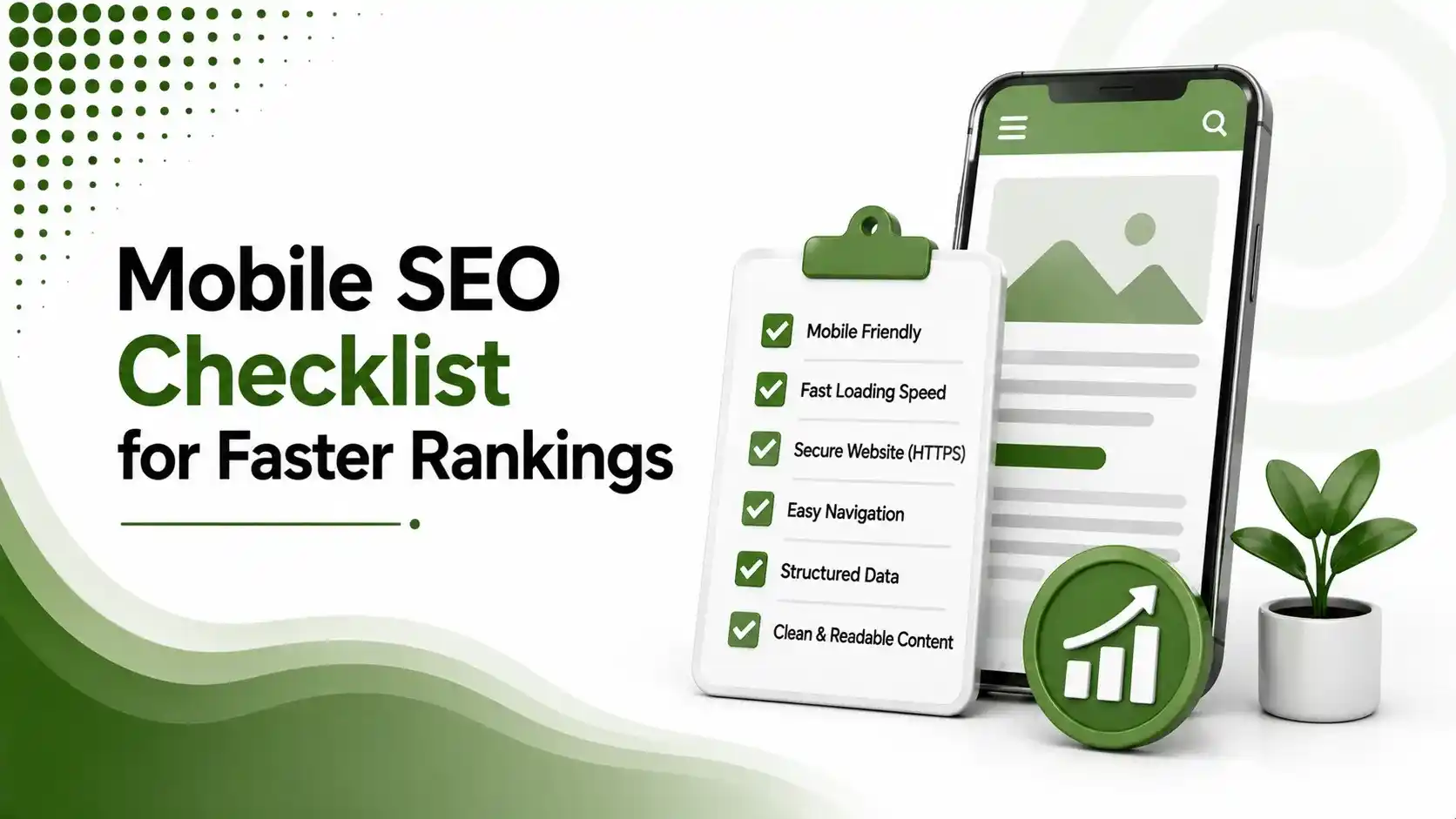
Use this practical mobile SEO checklist to optimize your website for smartphones and tablets. Learn how to improve page speed, mobile usability, Core Web Vitals, responsive design, and indexing to boost search rankings, enhance user experience, and drive more organic traffic in 2026.
Table of Contents
ToggleMobile SEO Checklist: 96.55% of web pages get zero organic traffic from Google, and separately, 95% of all searched keywords get 10 or fewer searches a month. Put those two Ahrefs findings together and the message is blunt: most content targets the wrong keywords, chosen with the wrong tool, or no tool at all.
We already covered the free side of this question in our best free SEO tools roundup.
This article goes deeper: a genuine side-by-side comparison of the paid and free keyword research tools worth actual consideration in 2026, with real pricing, real feature gaps, and a clear answer for who each one actually fits.
Six tools cover nearly every situation a marketer, blogger, or agency runs into: Ahrefs, Semrush, Moz, Ubersuggest, KWFinder, and Google Keyword Planner. Each earns its place for a different reason, and none of them is the "best" one for everyone.
Rather than a generic ranked list, this comparison is organized around the question that actually matters: which tool fits your specific budget, skill level, and use case right now.
By the end, you'll have a clear recommendation for your situation, real pricing to compare, and an understanding of the one genuinely new feature category, AI visibility tracking, that's starting to separate these platforms in 2026.
01Mobile SEO Checklist: Quick Comparison Table
| Tool | Starting Price | Best For |
|---|---|---|
| Ahrefs | Paid, backlink-focused tiers | Backlink depth, competitor research |
| Semrush | From $139.95/mo | All-in-one marketing, agencies |
| Moz | Mid-tier paid plans | Beginners, Domain Authority tracking |
| Ubersuggest | From $12/mo, lifetime option | Budget-conscious solo marketers |
| KWFinder (Mangools) | From $29.90/mo | Long-tail keyword workflows |
| Google Keyword Planner | Free | Direct-from-Google volume data |
02Ahrefs: The Data Depth Leader
Ahrefs
Paid, tieredAccording to WebbyTemplate's 2026 comparison of Semrush, Ahrefs, Moz, and Ubersuggest, Ahrefs built the largest backlink index among major tools, 35 trillion links from 500 million referring domains, and introduced Brand Radar in 2026 for AI visibility tracking across six platforms.
According to Tonguç Karaçay's guide referenced elsewhere in this article, Ahrefs also holds a slight edge in keyword difficulty accuracy, making it a strong choice specifically for competitive niches where precise difficulty estimates genuinely matter.
03Semrush: The All-in-One Platform
Semrush
From $139.95/moAccording to Brimcove's complete comparison guide for 2026, Semrush covers PPC research, content marketing, social media, and local SEO alongside keyword data, making it the platform of choice for teams managing multiple channels, though the breadth means paying for features many users never touch.
Semrush's keyword database is also notably larger than Ahrefs' in raw volume, which can surface more long-tail variations, even if Ahrefs edges it out on difficulty scoring precision for competitive terms.
04Moz: The Beginner-Friendly Option
Moz
Mid-tier paidAccording to WebbyTemplate's comparison referenced above, Moz remains the most beginner-friendly option among the major paid tools, and it's the trusted, original source for Domain Authority as a metric.
05Ubersuggest: The Budget Choice
Ubersuggest
$12-$40/moAccording to Ecommerce Paradise's 3-way comparison for 2026, Ubersuggest's free tier allows 3 searches per day, enough to validate keyword ideas before committing to a paid plan. Paid tiers add unlimited searches, backlink data, and basic site audits.
Neil Patel's tool is often described as delivering roughly 80% of what a marketer actually needs, at a fraction of what the larger suites cost, making it a genuinely reasonable starting point for bootstrapped teams rather than a compromise choice.
06Enterprise Needs vs. Small Team Needs
A five-person agency managing twenty client accounts has fundamentally different tooling needs than a solo blogger publishing twice a month. The former benefits from Semrush's breadth and multi-user collaboration features; the latter often gets more genuine value from Ubersuggest's simplicity and lower cost.
Matching tool complexity to team size, rather than defaulting to whichever platform has the most features listed on its pricing page, avoids paying for capacity that will realistically go unused.
07KWFinder and Google Keyword Planner
KWFinder (Mangools)
From $29.90/moAccording to Technova Partners' 2026 comparison of 7 keyword research tools, KWFinder delivers genuinely usable difficulty scores and location-level data at a fraction of suite pricing, ideal for teams targeting achievable long-tail terms rather than competing for high-volume head terms.
Google Keyword Planner
FreeAccording to Neal Schaffer's roundup of the 15 best keyword research tools for 2026, this remains the most accurate free option since it draws data directly from Google itself, though it lacks the competitive and content-planning features paid tools offer.
08Pros and Cons of the Top Three
| Tool | Strongest Advantage | Main Drawback |
|---|---|---|
| Ahrefs | Largest backlink index available | Premium pricing, steep learning curve |
| Semrush | Covers SEO, PPC, and content in one platform | Paying for features many users never touch |
| Ubersuggest | Genuinely affordable, lifetime option exists | Shallower data than the two leaders above |
According to Ingenious Guru's 2026 comparison of Ahrefs, Semrush, and Ubersuggest, there is no single perfect tool for everyone. The right choice depends entirely on strategy, budget, and business needs, not a universal ranking.
09Test Before You Commit
According to Digital Nest's guide to top keyword research tools for SEO in 2026, most paid platforms offer a free trial or a limited free tier specifically so users can validate whether the interface and data actually fit their workflow.
This lets you test before committing to an annual plan, rather than discovering months later that the tool doesn't match how you actually work.
Running the same handful of target keywords through two or three tools during their trial periods reveals which platform's interface, difficulty scoring, and content suggestions genuinely match how you plan to use the data day to day.
10Common Mistakes When Choosing a Tool
According to Digital Nest's guide to top keyword research tools for SEO in 2026, beginners often overspend on an enterprise-grade platform before they've validated whether their content strategy actually needs that depth of data in the first place.
A more efficient path starts with free tools, Google Keyword Planner and a free-tier alternative, then upgrades only once genuine volume or competitive research needs justify the added cost.
A second common mistake is comparing raw keyword difficulty scores across tools directly. Each platform calculates difficulty using its own proprietary formula, so a score of 40 on one tool and 40 on another can represent very different actual competition levels.
11The 2026 Differentiator: AI Visibility Tracking
According to WebbyTemplate's comparison referenced above, Semrush's Semrush One tracks brand visibility across five AI platforms, ChatGPT, Gemini, Perplexity, AI Overviews, and AI Mode. Ahrefs' Brand Radar covers six. This is the newest, most consequential feature gap between tools in 2026.
12Which Tool Should I Choose?
Select your situation for a direct recommendation.
Which Keyword Research Tool Should I Choose?
A quick recommendation based on your budget and use case
13Principles That Apply Regardless of Tool
According to Tonguç Karaçay's guide to the best keyword research tools for 2026, targeting search intent matters more than raw volume. A keyword with 500 monthly searches from buyers is worth more than 5,000 searches from people who aren't ready to purchase.
We covered this distinction directly in our search intent guide. No tool on this list replaces that judgment; each one only supplies the raw data to apply it against.
Prioritizing achievable, lower-difficulty keywords first, rather than chasing the highest-volume terms immediately, tends to produce faster, more sustainable ranking wins for newer or smaller sites regardless of which tool supplies that difficulty data.
Combining volume data with a genuine read of the search results themselves, what content type currently ranks, what questions those pages actually answer, closes the gap between a tool's raw numbers and a strategy that actually works in practice.
14Building a Sustainable Keyword Research Habit
A single research session rarely produces a complete content strategy. Revisiting keyword data quarterly, checking for new opportunities, shifting search volume, and emerging questions in a niche, keeps a content calendar aligned with what people are actually searching for right now.
Most of the tools compared here support saved keyword lists or tracked projects specifically for this reason, making the quarterly revisit far faster than starting from scratch each time.
Documenting which keywords have already been targeted, and their current ranking status, also prevents the common mistake of unintentionally competing against your own existing content with a new article aimed at the same term.
Over time, this habit compounds. A content calendar built on genuine, regularly-refreshed keyword data consistently outperforms one built on a single research sprint months or years in the past.
15FAQs on Keyword Research Tools
Before diving into the FAQ, one final practical note: the tools covered here will keep evolving. Pricing changes, new AI features, and shifting database sizes are normal in this space.
Revisiting a comparison like this one every year or two, rather than treating today's numbers as permanent, keeps your decision current as the market and each platform's capabilities shift.
There isn't one universal answer. Ahrefs leads on backlink depth, Semrush leads on breadth for agencies, and Ubersuggest leads on affordability. The right choice depends on budget and use case.
Yes, for smaller sites and early-stage validation. Google Keyword Planner plus Ubersuggest's free tier covers volume, difficulty estimates, and basic content ideas at no cost.
Each tool builds its own independent database and estimation model. None pulls identical raw data from Google, so some variance between tools is normal and expected.
It tracks whether your brand gets cited in AI-generated answers from platforms like ChatGPT and Google AI Overviews. It's increasingly relevant, though not yet essential for every site.
Not necessarily more accurate, but generally deeper in database size and feature breadth. Google Keyword Planner, though free, remains highly accurate since it draws directly from Google's own data.
Yes. Most platforms let you export keyword lists, difficulty scores, and tracked rankings to CSV, making a future switch between tools straightforward rather than a total restart.
Related Articles
What We Learn Today
96.55% of pages get zero organic traffic; tool choice genuinely matters
Ahrefs leads on backlink depth; Semrush leads on all-in-one breadth
Ubersuggest and KWFinder offer strong value at lower price points
Google Keyword Planner remains the most accurate free volume source
AI visibility tracking is 2026's newest major feature differentiator
Search intent still matters more than any tool's raw volume number
Turn Keyword Data Into Real Strategy
Picking a tool is step one. Pair it with our guides on search intent and free SEO tools to build a genuinely complete keyword research workflow.
Related Posts
Previous Post
Next Post


- Artificial Intelligence
- Content
- Core Web Vitals
- Development
- Digital Marketing
- Display Advertising
- Google Ads
- Google Search Console
- GTM
- HTML
- HTML CSS
- JavaScript
- Keyword Research
- Link Building
- LinkedIn Ads
- Local SEO
- Meta Ads
- Mobile SEO
- Off-Page SEO
- On-Page SEO
- Paid Media
- Paid Media Analytics
- PHP
- PPC Strategy
- Python
- SEO
- SEO Basics
- SEO Tools
- Social
- Technical SEO