
- Home
- SEODiscover the latest updates from across the United States, including politics, culture, economy, and trending stories. Stay informed on the key events shaping the nation and the topics everyone’s talking about.
- Technical SEOLearn technical SEO concepts including crawling, indexing, XML sitemaps, robots.txt, canonical tags, site architecture, and website performance.
- Local SEOOptimize your business for local seo with Google Business Profile, local citations, reviews, maps, and location-based SEO.
- Mobile SEOImprove your website’s mobile seo performance with responsive design, mobile-first indexing, usability, and page speed optimization.
- On-Page SEOExplore on-page seo optimization techniques such as title tags, meta descriptions, headings, URLs, internal linking, and content optimization.
- Off-Page SEODiscover off-page SEO strategies such as backlinks, digital PR, brand mentions, outreach, and authority building.
- SEO ToolsExplore the best SEO tools for keyword research, technical audits, backlink analysis, rank tracking, and website optimization.
- Core Web VitalsLearn how to improve Core Web Vitals including LCP, INP, CLS, page speed, and overall user experience for better rankings.
- Keyword ResearchLearn how to find profitable keywords, analyze search intent, evaluate competition, and build effective keyword strategies.
- Link BuildingMaster ethical link building techniques, backlink analysis, outreach methods, guest posting, and authority growth strategies.
- Google Search ConsoleLearn how to use Google Search Console to monitor indexing, fix errors, analyze search performance, and improve SEO.
- SEO BasicsLearn the fundamentals of search engine optimization (SEO Basics), including how search engines work, SEO terminology, and beginner-friendly best practices.
- Paid Media
- Display AdvertisingLearn display advertising strategies, banner ads, audience targeting, remarketing, Google Display campaigns, and optimization techniques.
- Google AdsLearn Google Ads strategies, campaign setup, bidding, keywords, Performance Max, Search Ads, and optimization techniques.
- LinkedIn AdsLearn LinkedIn Ads strategies for B2B marketing, lead generation, audience targeting, campaign optimization, and paid social advertising.
- Meta AdsLearn Meta Ads strategies for Facebook and Instagram, including campaign setup, targeting, retargeting, and performance optimization.
- Paid Media AnalyticsLearn paid media analytics, including CPC, CTR, CPA, ROAS, conversion tracking, attribution, reporting, and campaign performance analysis.
- PPC StrategyLearn effective PPC strategies, campaign planning, bidding, keyword targeting, landing pages, conversion optimization, and more.
- ContentTransform your living spaces with inspiration, tips, and trends in interior design. From minimalist decor to bold statements, find ideas for every style and budget.
- Social
- Digital MarketingExplore stories and advice on living your best life. From personal growth to entertainment, dive into the latest in lifestyle trends and inspiration.
- Artificial IntelligenceStay informed about health and wellness with expert advice, fitness tips, and the latest medical breakthroughs. Your guide to a healthier and happier life.
- DevelopmentYou will find development related educational articles
- GTMLearn Google Tag Manager (GTM) with practical guides for tags, triggers, variables, tracking, conversions, and website analytics implementation.
- HTMLLearn HTML with simple tutorials, examples, tags, elements, attributes, and best practices for building modern web pages.
- HTML CSSLearn HTML CSS together with practical tutorials, examples, layouts, styling techniques, responsive design, and modern web development practices.
- HTML JSLearn HTML JS – JavaScript with practical tutorials and examples for adding interactivity, dynamic content, events, and functionality to web pages.
- JavaScriptExplore JavaScript tutorials, examples, concepts, and practical techniques for creating interactive and dynamic websites and web applications.
- PHPLearn PHP programming with practical tutorials, examples, functions, syntax, and web development techniques for beginners and developers.
- PythonLearn Python programming with practical tutorials, examples, syntax, functions, automation techniques, and useful programming concepts.
- Home
- SEODiscover the latest updates from across the United States, including politics, culture, economy, and trending stories. Stay informed on the key events shaping the nation and the topics everyone’s talking about.
- Technical SEOLearn technical SEO concepts including crawling, indexing, XML sitemaps, robots.txt, canonical tags, site architecture, and website performance.
- Local SEOOptimize your business for local seo with Google Business Profile, local citations, reviews, maps, and location-based SEO.
- Mobile SEOImprove your website’s mobile seo performance with responsive design, mobile-first indexing, usability, and page speed optimization.
- On-Page SEOExplore on-page seo optimization techniques such as title tags, meta descriptions, headings, URLs, internal linking, and content optimization.
- Off-Page SEODiscover off-page SEO strategies such as backlinks, digital PR, brand mentions, outreach, and authority building.
- SEO ToolsExplore the best SEO tools for keyword research, technical audits, backlink analysis, rank tracking, and website optimization.
- Core Web VitalsLearn how to improve Core Web Vitals including LCP, INP, CLS, page speed, and overall user experience for better rankings.
- Keyword ResearchLearn how to find profitable keywords, analyze search intent, evaluate competition, and build effective keyword strategies.
- Link BuildingMaster ethical link building techniques, backlink analysis, outreach methods, guest posting, and authority growth strategies.
- Google Search ConsoleLearn how to use Google Search Console to monitor indexing, fix errors, analyze search performance, and improve SEO.
- SEO BasicsLearn the fundamentals of search engine optimization (SEO Basics), including how search engines work, SEO terminology, and beginner-friendly best practices.
- Paid Media
- Display AdvertisingLearn display advertising strategies, banner ads, audience targeting, remarketing, Google Display campaigns, and optimization techniques.
- Google AdsLearn Google Ads strategies, campaign setup, bidding, keywords, Performance Max, Search Ads, and optimization techniques.
- LinkedIn AdsLearn LinkedIn Ads strategies for B2B marketing, lead generation, audience targeting, campaign optimization, and paid social advertising.
- Meta AdsLearn Meta Ads strategies for Facebook and Instagram, including campaign setup, targeting, retargeting, and performance optimization.
- Paid Media AnalyticsLearn paid media analytics, including CPC, CTR, CPA, ROAS, conversion tracking, attribution, reporting, and campaign performance analysis.
- PPC StrategyLearn effective PPC strategies, campaign planning, bidding, keyword targeting, landing pages, conversion optimization, and more.
- ContentTransform your living spaces with inspiration, tips, and trends in interior design. From minimalist decor to bold statements, find ideas for every style and budget.
- Social
- Digital MarketingExplore stories and advice on living your best life. From personal growth to entertainment, dive into the latest in lifestyle trends and inspiration.
- Artificial IntelligenceStay informed about health and wellness with expert advice, fitness tips, and the latest medical breakthroughs. Your guide to a healthier and happier life.
- DevelopmentYou will find development related educational articles
- GTMLearn Google Tag Manager (GTM) with practical guides for tags, triggers, variables, tracking, conversions, and website analytics implementation.
- HTMLLearn HTML with simple tutorials, examples, tags, elements, attributes, and best practices for building modern web pages.
- HTML CSSLearn HTML CSS together with practical tutorials, examples, layouts, styling techniques, responsive design, and modern web development practices.
- HTML JSLearn HTML JS – JavaScript with practical tutorials and examples for adding interactivity, dynamic content, events, and functionality to web pages.
- JavaScriptExplore JavaScript tutorials, examples, concepts, and practical techniques for creating interactive and dynamic websites and web applications.
- PHPLearn PHP programming with practical tutorials, examples, functions, syntax, and web development techniques for beginners and developers.
- PythonLearn Python programming with practical tutorials, examples, syntax, functions, automation techniques, and useful programming concepts.
Now Reading: Attribution Models Explained for Digital Marketers
-
01
Attribution Models Explained for Digital Marketers
- Home//
- SEO//Discover the latest updates from across the United States, including politics, culture, economy, and trending stories. Stay informed on the key events shaping the nation and the topics everyone’s talking about.
- Technical SEO//Learn technical SEO concepts including crawling, indexing, XML sitemaps, robots.txt, canonical tags, site architecture, and website performance.
- Local SEO//Optimize your business for local seo with Google Business Profile, local citations, reviews, maps, and location-based SEO.
- Mobile SEO//Improve your website’s mobile seo performance with responsive design, mobile-first indexing, usability, and page speed optimization.
- On-Page SEO//Explore on-page seo optimization techniques such as title tags, meta descriptions, headings, URLs, internal linking, and content optimization.
- Off-Page SEO//Discover off-page SEO strategies such as backlinks, digital PR, brand mentions, outreach, and authority building.
- SEO Tools//Explore the best SEO tools for keyword research, technical audits, backlink analysis, rank tracking, and website optimization.
- Core Web Vitals//Learn how to improve Core Web Vitals including LCP, INP, CLS, page speed, and overall user experience for better rankings.
- Keyword Research//Learn how to find profitable keywords, analyze search intent, evaluate competition, and build effective keyword strategies.
- Link Building//Master ethical link building techniques, backlink analysis, outreach methods, guest posting, and authority growth strategies.
- Google Search Console//Learn how to use Google Search Console to monitor indexing, fix errors, analyze search performance, and improve SEO.
- SEO Basics//Learn the fundamentals of search engine optimization (SEO Basics), including how search engines work, SEO terminology, and beginner-friendly best practices.
- Paid Media//
- Display Advertising//Learn display advertising strategies, banner ads, audience targeting, remarketing, Google Display campaigns, and optimization techniques.
- Google Ads//Learn Google Ads strategies, campaign setup, bidding, keywords, Performance Max, Search Ads, and optimization techniques.
- LinkedIn Ads//Learn LinkedIn Ads strategies for B2B marketing, lead generation, audience targeting, campaign optimization, and paid social advertising.
- Meta Ads//Learn Meta Ads strategies for Facebook and Instagram, including campaign setup, targeting, retargeting, and performance optimization.
- Paid Media Analytics//Learn paid media analytics, including CPC, CTR, CPA, ROAS, conversion tracking, attribution, reporting, and campaign performance analysis.
- PPC Strategy//Learn effective PPC strategies, campaign planning, bidding, keyword targeting, landing pages, conversion optimization, and more.
- Content//Transform your living spaces with inspiration, tips, and trends in interior design. From minimalist decor to bold statements, find ideas for every style and budget.
- Social//
- Digital Marketing//Explore stories and advice on living your best life. From personal growth to entertainment, dive into the latest in lifestyle trends and inspiration.
- Artificial Intelligence//Stay informed about health and wellness with expert advice, fitness tips, and the latest medical breakthroughs. Your guide to a healthier and happier life.
- Development//You will find development related educational articles
- GTM//Learn Google Tag Manager (GTM) with practical guides for tags, triggers, variables, tracking, conversions, and website analytics implementation.
- HTML//Learn HTML with simple tutorials, examples, tags, elements, attributes, and best practices for building modern web pages.
- HTML CSS//Learn HTML CSS together with practical tutorials, examples, layouts, styling techniques, responsive design, and modern web development practices.
- HTML JS//Learn HTML JS – JavaScript with practical tutorials and examples for adding interactivity, dynamic content, events, and functionality to web pages.
- JavaScript//Explore JavaScript tutorials, examples, concepts, and practical techniques for creating interactive and dynamic websites and web applications.
- PHP//Learn PHP programming with practical tutorials, examples, functions, syntax, and web development techniques for beginners and developers.
- Python//Learn Python programming with practical tutorials, examples, syntax, functions, automation techniques, and useful programming concepts.
- Home
- Paid Media
- PPC Strategy
- Attribution Models Explained for Digital Marketers
Attribution Models Explained for Digital Marketers

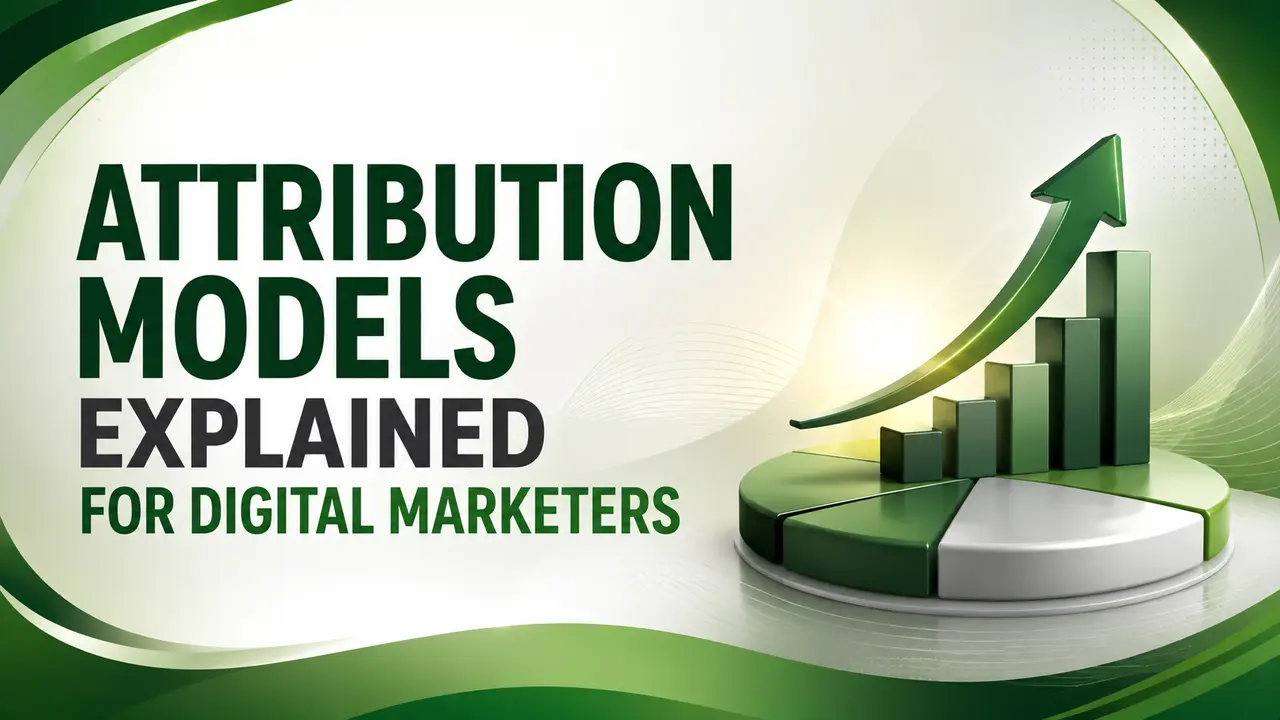
Attribution models decide which touchpoint gets credit for a sale. GA4 now offers only three — here's how each works and the trap most marketers miss.
Table of Contents
ToggleAttribution models are the rules that decide which touchpoint gets credit when a customer finally converts. Someone sees a YouTube ad, searches your brand three days later, then clicks an email a week after that before buying. Attribution models decide how that credit gets split across all three.
The catalog of options got a lot shorter recently. GA4 now offers exactly three attribution models, down from seven. First-click, linear, time-decay, and position-based were all retired in November 2023, and they aren't coming back.
That leaves data-driven attribution and two last-click variants. Understanding what each one actually does, and when GA4's numbers shift underneath you without any campaign changes, matters more than ever.
01Attribution Models Explained: The Basics
Stape's guide defines it cleanly: an attribution model is a set of rules that determines how credit for a conversion gets distributed across the various touchpoints or channels involved in the customer journey.
MarTech's guide adds why the choice matters practically: a broader model helps you understand the contribution of every channel along the journey, not just the one that closed the deal, and that fuller picture can change how you value and invest across your marketing mix.
02GA4 Is Down to Just Three Attribution Models
Mar-Sci's August 2026 guide states it precisely: GA4 now offers exactly three models, data-driven attribution, paid and organic last click, and Google paid channels last click. The older rules-based models, first-click, linear, time-decay, and position-based, were retired in November 2023 and no longer exist anywhere in the platform.
Digital Applied's 2026 playbook frames the current landscape starkly: every remaining GA4 option is either 100% last-click or a black-box machine learning model. There's no middle ground of simple, transparent multi-touch rules left to choose from.
A January 2026 survey of 500 senior US decision-makers found independent incrementality testing earned more trust than any in-platform system, ahead of media mix modeling and well ahead of standard reporting. These tools remain useful, but increasingly as one input, not the final word.
03Data-Driven Attribution: How It Actually Works
Optimizesmart's guide describes the mechanism: DDA uses your own account's unique conversion data, analyzing both converting and non-converting user paths, to determine how much each touchpoint actually contributed. It's a counterfactual model, estimating what would have happened without a given touchpoint.
Conversios' guide adds a concrete scope: DDA evaluates up to 50 actions over the 90 days before a customer converts, weighing factors like time from conversion, device type, ad interaction order, and creative assets.
04The Two Last-Click Models Still Available
Mar-Sci's guide, referenced above, describes the two remaining rule-based options plainly. Paid and organic last click gives full credit to the last channel a user interacted with before converting, whether paid or organic. Google paid channels last click gives 100% credit to the last Google Ads click specifically, if one occurred in the path.
Conversios' guide, referenced above, is direct about when the second option makes sense: use it only if your marketing relies almost entirely on Google Ads, or your team specifically needs Google-centric reporting for internal alignment.
05The April 2026 Recalibration Trap
QlikMatrix's guide documents a real, current confusion point: in April 2026, Google recalibrated the data-driven attribution model itself. Accounts saw Search campaigns lose 15-20% of attributed conversions with nothing else in the account changed, budgets, targeting, and creative all untouched.
QlikMatrix's guide quotes performance marketing specialist Vishal Singh directly: the most dangerous thing about this kind of change is that it looks like a performance shift. Campaigns that appear to underperform may simply be losing attributed credit under the new model, not actual conversions. Before cutting budget on a channel that "stopped working," check whether the attribution model changed underneath it first.
06When Data-Driven Attribution Actually Activates
Digimau's 2026 guide specifies the minimum data threshold: DDA requires at least 300 conversions and 3,000 ad interactions in the past 28 days to generate reliable results. 1ClickReport's guide gives a slightly different, more current figure: 400+ conversions per key event, and 20,000 total conversions across all events within the lookback window.
Below that threshold, GA4 quietly falls back to a rules-based model without necessarily flagging it clearly in your reports, which is why checking your Attribution Settings periodically matters.
07Attribution Model Comparison
A side-by-side of what remains available and when each one fits.
| Model | How Credit Is Assigned | Best For |
|---|---|---|
| Data-driven attribution | Machine learning, based on your actual conversion data | High-traffic accounts with 400+ monthly conversions |
| Paid and organic last click | 100% to the last channel, paid or organic | Simpler journeys, general-purpose default |
| Google paid channels last click | 100% to the last Google Ads click, if any | Accounts relying almost entirely on Google Ads |
08Choosing the Right Model for Your Business
MarTech's guide, referenced above, offers a simple default worth following: select data-driven attribution unless you have a strategic reason to test a different one, and remember changing models applies retroactively to your historical reports.
Digimau's guide, referenced above, adds context on why model choice shifts perceived value so dramatically: under last-touch attribution, Google Ads can appear to drive nearly half of all conversions, while under first-touch, channels like Facebook and display get far more credit for the same underlying data.
09Attribution Health Checklist
A quick list to confirm your attribution setup reflects reality.
Confirm your current model in Admin → Attribution Settings, don't assume it's still what you set months ago.
Check your conversion volume against the 400+ threshold before trusting DDA results fully.
Document any model changes, since switching applies retroactively and distorts historical comparisons.
Watch for silent recalibrations, like April 2026's, before attributing a channel drop to actual performance.
Pair GA4 with incrementality testing periodically rather than trusting any single model as the full picture.
10Which Model Fits Your Account?
Answer a few quick questions to see which one likely suits your setup.
Which Model Fits Your Account?
Select the option that matches your situation
11Common Questions
Three: data-driven attribution, paid and organic last click, and Google paid channels last click. The other four rules-based models were retired in November 2023.
Google retired them from GA4 in November 2023 along with position-based attribution. They no longer exist anywhere in the platform and are not returning.
At least 400 conversions for the specific key event, and 20,000 total conversions across all events within your lookback window, for reliable results.
Google recalibrated the data-driven attribution model that month. Some accounts saw Search lose 15-20% of attributed conversions purely from the model update, not actual performance changes.
Yes. Changing your attribution model in GA4 applies retroactively, which can make historical channel comparisons look inconsistent even when nothing else changed.
Related Articles
What We Learn Today
GA4 now offers only three attribution models, down from seven
Four rules-based models were retired permanently in Nov 2023
DDA needs 400+ conversions per key event to activate reliably
The April 2026 recalibration shifted numbers without campaign changes
Model changes apply retroactively to historical reports
Incrementality testing is gaining trust over any single in-platform model
Build a Complete Measurement Foundation
Getting this right works best alongside accurate conversion tracking. Explore our enhanced conversions and GA4 events guides next.
Related Posts

Previous Post
Next Post
Previous Post

Next Post




- Artificial Intelligence
- Content
- Core Web Vitals
- Development
- Digital Marketing
- Display Advertising
- Google Ads
- Google Search Console
- GTM
- HTML
- HTML CSS
- JavaScript
- Keyword Research
- Link Building
- LinkedIn Ads
- Local SEO
- Meta Ads
- Mobile SEO
- Off-Page SEO
- On-Page SEO
- Paid Media
- Paid Media Analytics
- PHP
- PPC Strategy
- Python
- SEO
- SEO Basics
- SEO Tools
- Social
- Technical SEO